Skip to content

Our History

Walking Together: The Story of KAMS and Its Members

For tens of thousands of years, Kimberley Aboriginal people have cared for one another, providing healing, support, and leadership grounded in culture and Country.

At KAMS, we honour that legacy and continue the work of those who came before us.

Since our establishment, KAMS has grown into a strong regional voice for Aboriginal health. This timeline shares key milestones in our journey highlighting the formation of our Member Services and the ongoing expansion of our programs, services, and advocacy across the Kimberley.
Timeline

Our Story

From

1975

to

Current

  • 1975

Bidyadanga Aboriginal Community La Grange Inc (BACLG) incorporated

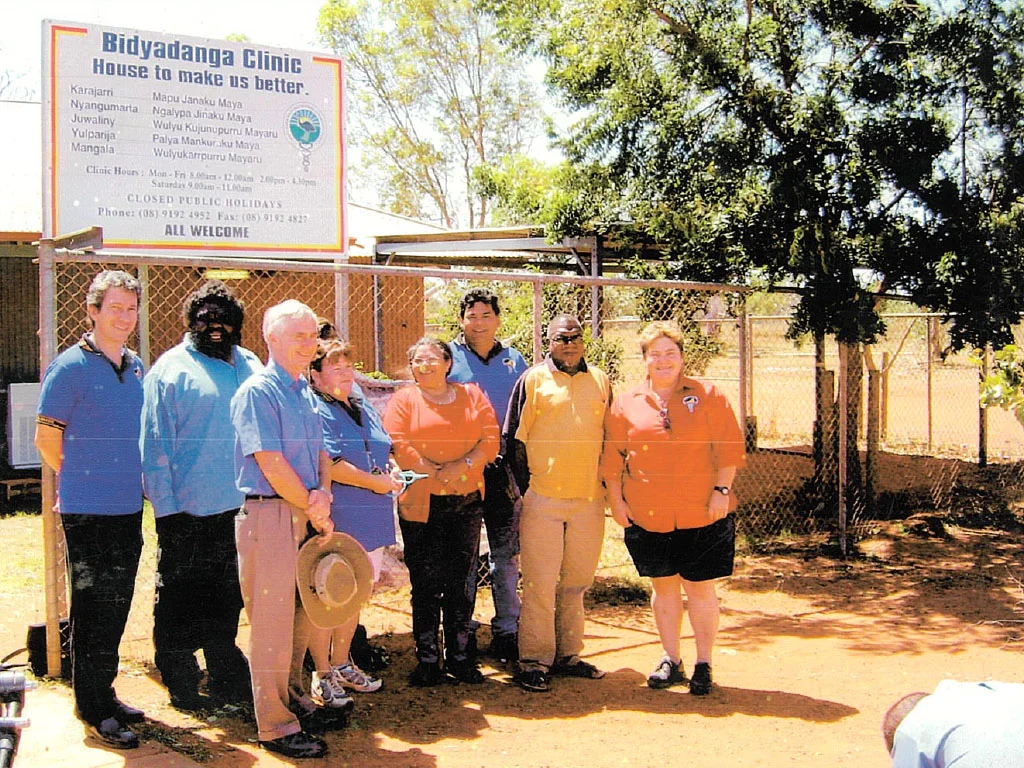
Bidyadanga community is situated about 190 kilometres south of Broome and is one of the largest remote Aboriginal communities in the state.

Bidyadanga Aboriginal Community La Grange Inc (BACLG) was originally incorporated in 1975 and was established as a not-for-profit organisation to administer government-funded programs, including day-care services, municipal services, and community agencies.

The community is home to the Bidyadanga Health Centre, which in 1986 would become a Member of KAMSC and be managed by KAMSC, providing comprehensive primary healthcare services to ensure essential healthcare remains accessible to the entire community. Prior to this, the Broome Regional Aboriginal Medical Service (BRAMS) provided doctor services at the Bidyadanga Health Centre.

  • 1978

Milliya Rumurra Aboriginal Corporation was established

Milliya Rumurra Aboriginal Corporation was established to provide support to individuals and families affected by alcohol or other drugs in the Kimberly Region. Their vision is to help community members and their families affected by alcohol and drugs achieve their full potential. In years to come, they will become a member of KAMSC.

  • 1978

First Aboriginal community-controlled health service in the Kimberley

Broome Regional Aboriginal Medical Services (BRAMS) became the first Aboriginal community-controlled health service in the Kimberley region, marking a significant milestone in the advancement of healthcare for Kimberly Aboriginal people and communities. Several years later, BRAMS played a pivotal role in the incorporation of KAMSC and went on to become one of its nine Member Services, further contributing to the development of the Kimberley ACCHS sector.

  • 1983

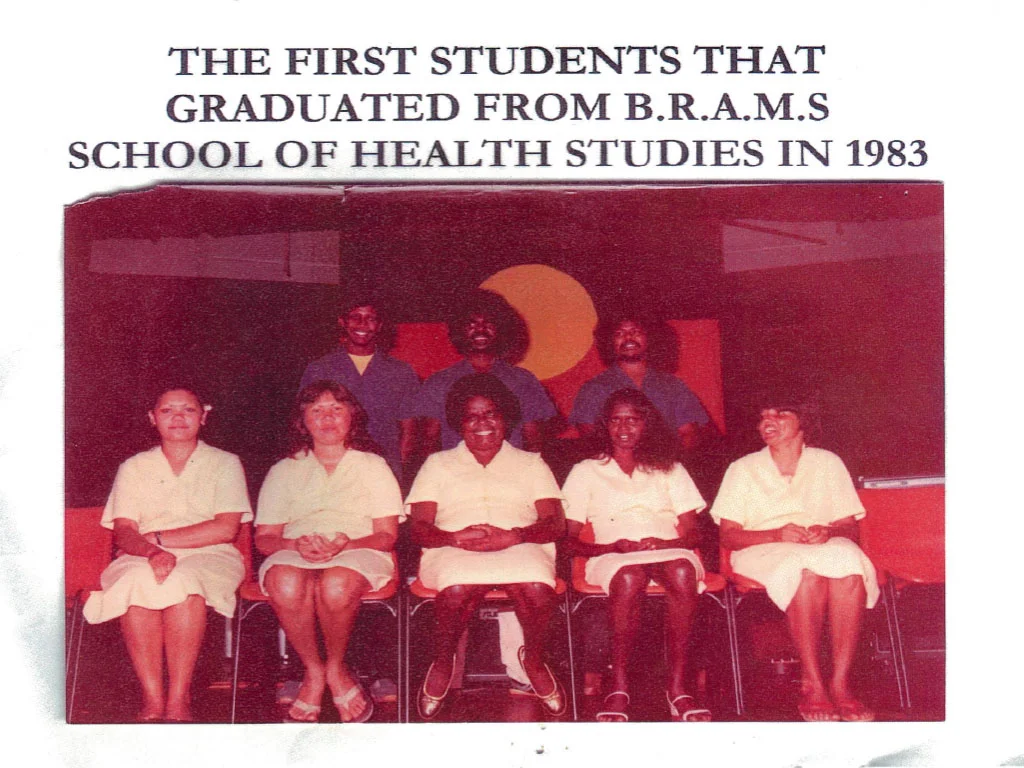
BRAMS committee made the decision to train their own Aboriginal health workers

Due to the absence of Aboriginal doctors and a limited number of nurses in the community, the BRAMS committee made the decision to train their own Aboriginal health workers. The first group of trainees began their education in 1983, with the inaugural graduates completing their training in 1985, marking a significant step towards the development of a culturally safe Model of Care for the delivery of healthcare for Kimberley Aboriginal people and the communities.

  • 1984

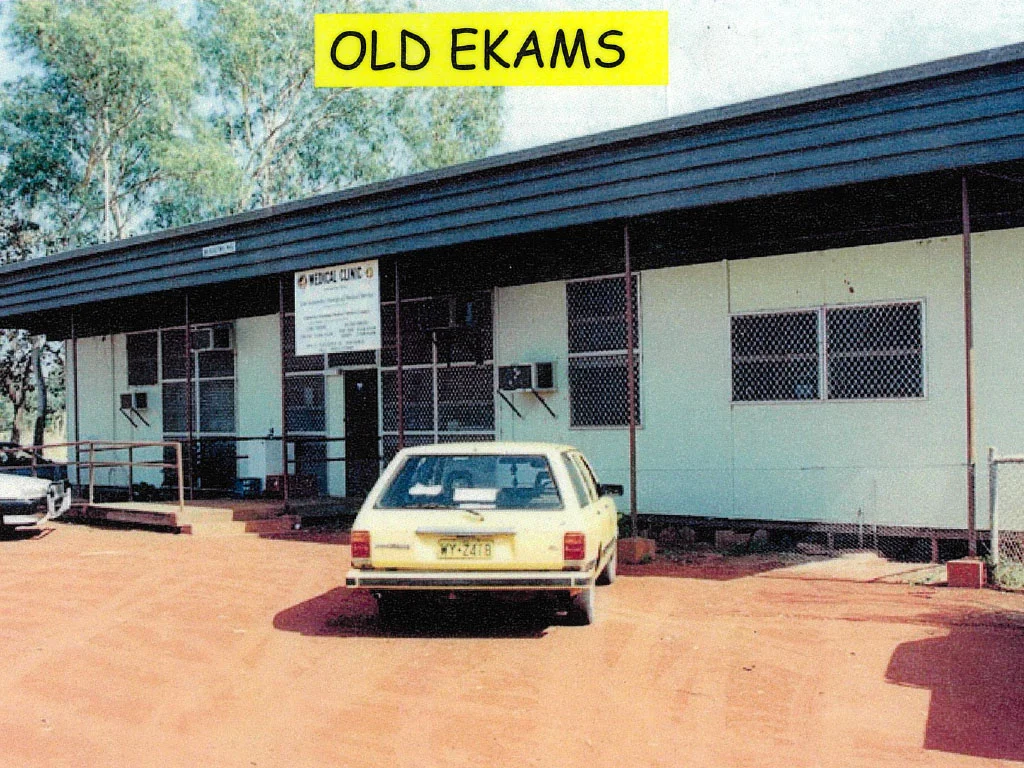
East Kimberley Aboriginal Medical Service (EKAMS) formed

East Kimberley Aboriginal Medical Service (EKAMS) is an Aboriginal Community Controlled Health Service that provides comprehensive primary healthcare to Aboriginal people in the East Kimberley region. In the following years, EKAMS played a crucial role in the establishment of KAMSC and became one of its nine Member Services. EKAMS later changed its name to Ord Valley Aboriginal Health Service (OVAHS) in 2001.

  • 1986

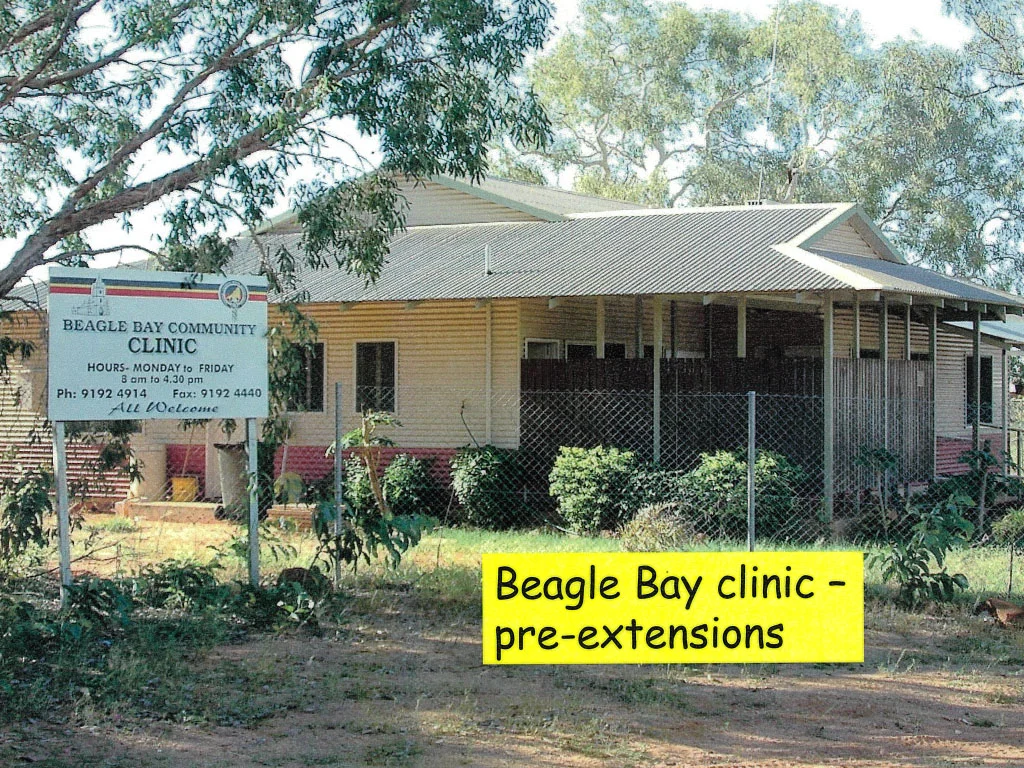
Beagle Bay Health Centre transitioned to KAMSC

The Beagle Bay community, with a population of around 360 people, is located on the west coast of the Dampier Peninsula, approximately 120 kilometres north of Broome. The community is home to the Beagle Bay Health Centre, which was initially supported by BRAMS doctors but has since transitioned to KAMSC, where comprehensive primary healthcare services are provided on behalf of the community. The Beagle Bay Community Aboriginal Corporation is a member of KAMSC and, like the other member services, has representation on the KAMSC Board of Directors.

  • 1986

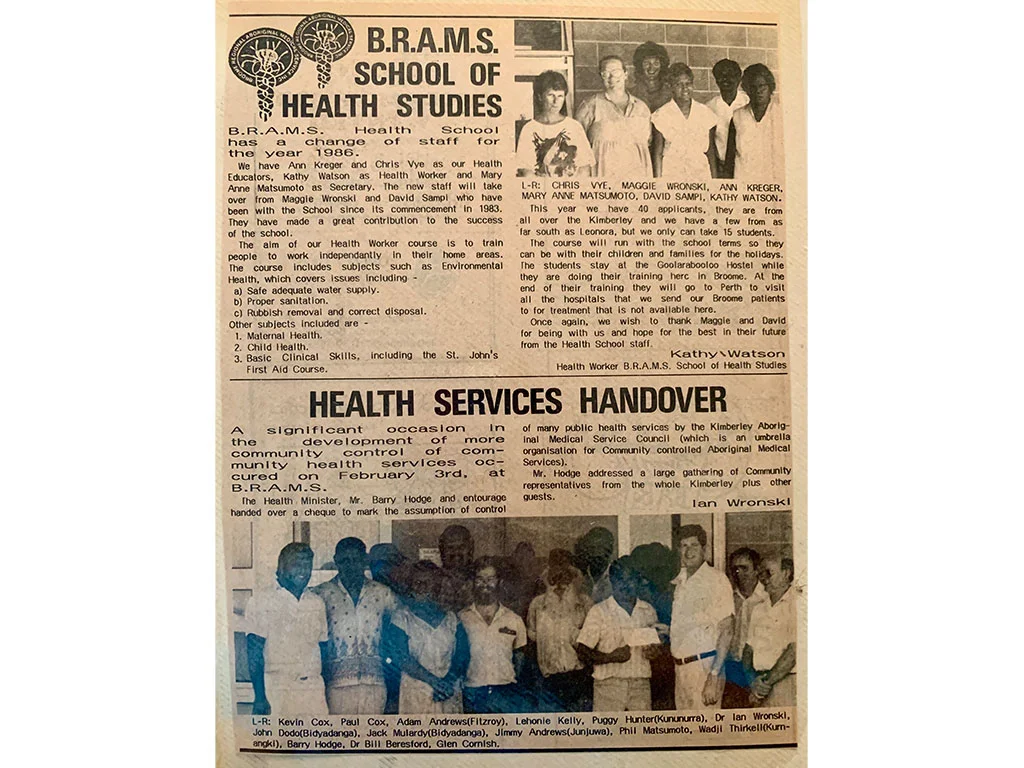
KAMSC took over the health school

KAMSC took over the health school, providing trained workers for all the Aboriginal Medical Services (AMSs) across the region. The KAMSC School of Health went on to become the first community-controlled accredited learning centre in Australia, further strengthening the capacity and autonomy of Aboriginal healthcare services.

  • 1986

Formation of the Kimberley Aboriginal Medical Services Council (KAMSC)

Aboriginal communities within the Kimberley region were growing increasingly frustrated with the mainstream health services, which struggled to understand the unique issues and way of life of the people they served. In response, Aboriginal people began establishing their own medical services, initially with support from doctors at BRAMS and other regional clinics. This collective effort amongst the Aboriginal community-controlled health services (ACCHS) led to the formation of the Kimberley Aboriginal Medical Services Council (KAMSC) in 1986. KAMSC was originally formed as a cooperative between BRAMS and EKAMS (now known as OVAHS).

  • 1987

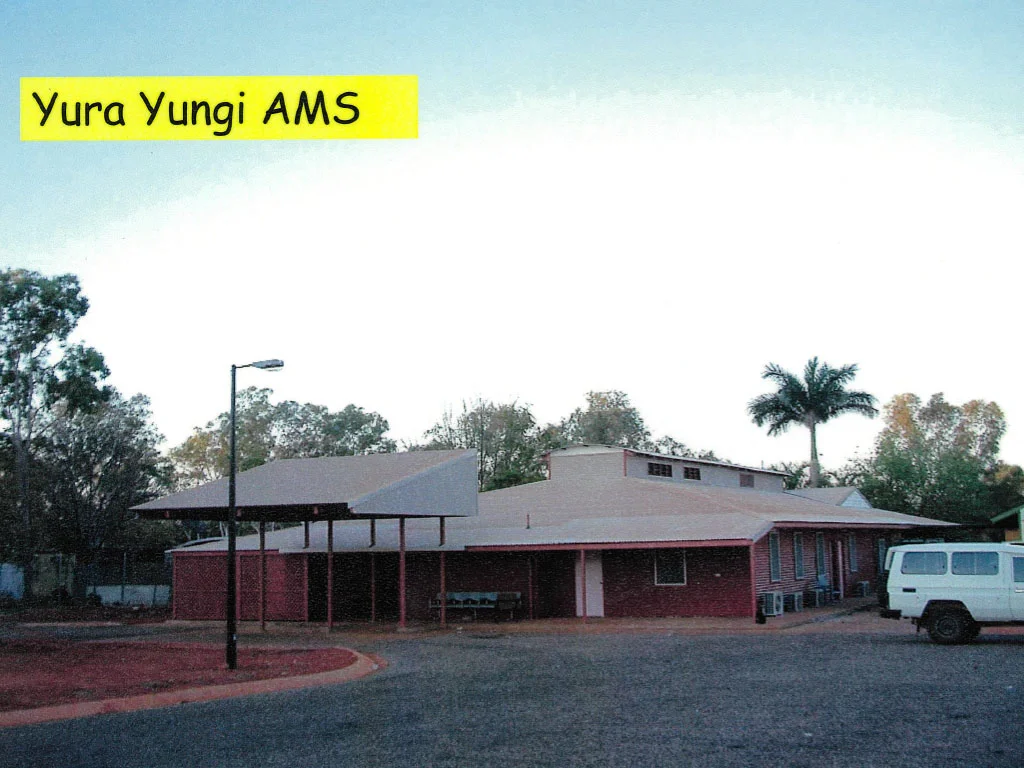
Yura Yungi Medical Service (YYMS) joins forces with KAMSC

Yura Yungi Medical Service (YYMS) is an Aboriginal Community Controlled Health Service located in the East Kimberley town of Halls Creek. YYMS joined forces with KAMSC as a member service and together, they provided primary health care services, along with holistic and culturally appropriate curative care, integrated with preventative programs. This partnership aims to strengthen healthcare delivery for Aboriginal communities in the region.

  • 1997

Jurrugk Aboriginal Health Service was incorporated

Jurrugk Aboriginal Health Service was incorporated and managed by the communities of Ngallagunda, Doodnun, Kupungarri, and Imintji. With the establishment of the Derby Aboriginal Health Service (DAHS) in 1998, an opportunity arose to develop a partnership between two health services serving overlapping client populations. This included providing clinical flights to the Kandiwal Community in the East Kimberley. Shortly after, Jurrugk became part of DAHS and was later de-registered.

  • 1998

Kimberley Aboriginal Health Plan Steering Committee formed

Formed in 1998 as the Kimberley Aboriginal Health Plan Steering Committee, the Kimberley Aboriginal Health Planning Forum (KAHPF) grew to become the leading regional health forum in Western Australia’s Kimberley region. Over time, the role of the KAHPF has expanded, and it is now the peak regional forum dedicated to improving health and wellbeing outcomes for Aboriginal people in the Kimberley region of Western Australia. Funding for KAHPF is provided by KAMS and Western Australia Country Health Service (WACHS) and KAMS continues to be a member of the forum, alongside the other member services.

  • 1998

The Derby Aboriginal Health Service (DAHS) was opened

The Derby Aboriginal Health Service (DAHS) was opened in December 1998, established by Aboriginal people for Aboriginal people with the goal of empowering the community. DAHS became a member of KAMSC at inception and continued to offer a range of preventative and public health programs, including maternal and child health, women’s health, chronic disease management, and sexual health. Additionally, transport services are provided as part of the outreach function, ensuring individuals in need can access essential healthcare service.

  • 2003

The Kimberley Aboriginal Health GP Training Program began

The Kimberley Aboriginal Health GP Training Program began in 2003, offering GP registrars the opportunity to undertake specialised Aboriginal health placements within a network of Aboriginal community-controlled health services (ACCHS) across the Kimberley region. Participants gain experience in general clinics, special program clinics such as chronic disease, antenatal, and child health, with some locations also offering the chance to work in remote community clinics.

  • 2005

KAMS became a member of AHCWA

Aboriginal Health Council of Western Australia (AHCWA) is the peak body for Aboriginal health in Western Australia. They work to improve health outcomes for Aboriginal people and their communities. KAMS became a member of AHCWA on 7 June 2005 and has maintained a strong, long-standing relationship with the organisation.

  • 2006

Remote clinical services at Billiluna Health Centre, Mulan Health Centre, and Balgo Health Centre provided by KAMSC

Since 2006, remote clinical services at Billiluna Health Centre, Mulan Health Centre, and Balgo Health Centre have been provided by KAMSC, ensuring these remote communities have access to essential healthcare services. Billiluna (Mindi Bungu) is a remote Aboriginal community located approximately 1,100 kilometres east of Broome with a population of ~200-300 people. Mulan is another small remote Aboriginal community, situated approximately 1,050 kilometres east of Broome with a population of ~100-200 people. Balgo (Wirrimanu) is one of Australia’s most remote Aboriginal communities, situated around 1,100 kilometres east of Broome, with a population of ~500-600 people.

  • 2007

All KAMSC administration offices and remote clinics made smoke-free environments

On 24th September 2007, during their General Meeting in Halls Creek, the KAMSC Board resolved to make all KAMSC Administration offices and remote clinics smoke-free environments, with the policy coming into effect on 1st January 2008.

  • 2008

Establishment of headspace Broome

Since the establishment of headspace Broome in 2008, KAMSC has served as the lead agency for the service. In this role, KAMSC is responsible for all aspects of the headspace program, including meeting contractual requirements, ensuring compliance with funding conditions and even employing the required staff.

  • 2009

Tackling Indigenous Smoking (TIS) Program begun

The Tackling Indigenous Smoking (TIS) Program began in 2009 with the intention to reduce smoking rates among Aboriginal communities by preventing the initiation of smoking and e-cigarette use, while promoting smoking cessation.

  • 2011

Sexual health programme was established

The Sexual health programme was established to improve knowledge and awareness of sexual health issues in a holistic and inclusive approach. The scope of duties of the team is broad, and ranges from supporting clinical staff to increasing sexual health literacy in communities.

  • 2011

KAMS Hearing Health Program delivers screening services to remote communities

The KAMS Hearing Health Program delivers screening services to 10 remote and very remote communities across the Kimberley, focusing on detecting, diagnosing, and treating middle ear disease and conductive hearing loss in children and young people aged 0 to 21 years. The program operates in schools, communities, and health centres, including those in Broome, Bidyadanga, Beagle Bay, Billiluna, Balgo, and Mulan, and aims to promote and enhance hearing health education across the region.

  • 2012

Rheumatic heart disease (RHD) initiative implemented and delivered across the region

Rheumatic heart disease (RHD) initiative was implemented and delivered across the region. This programme provides a collaborative, comprehensive and coordinated regional approach in preventing RHD, utilising a culturally secure model of care focusing on community led solutions and responsive approaches.

  • 2012

KAMS Hearing Health Program provides a screening service remote communities

Ear health: The KAMS Hearing Health Program provides a screening service to 10 remote and very remote communities throughout the Kimberley. The service is delivered in schools and is designed to detect, diagnose, and treat middle ear disease and conductive hearing loss in children and young people aged between 0 to 21 years of age.

KAMS' Hearing Health Program provides regional services designed to promote and improve hearing health education across schools, communities, and health centres in Broome, Bidyadanga, Beagle Bay, Billiluna, Balgo, and Mulan.

  • 2012

KAMSC opens the Fitzroy Crossing Renal Health Centre

In response to the growing demand for renal services, KAMSC opened the Fitzroy Crossing Renal Health Centre in July 2012. This expansion allowed KAMSC to better meet the needs of the community and provide more accessible treatment options for patients in the region.

  • 2013

KAMSC opens the Kununurra Renal Health Centre and the Derby Renal Health Centre

In May 2013, KAMSC opened the Kununurra Renal Health Centre and the Derby Renal Health Centre, expanding its services across the Kimberley region. These four renal health centres significantly improved access to care, allowing communities to receive treatment more quickly and without the need to travel long distances.

  • 2014

Company name changed from KAMSC to Kimberley Aboriginal Medical Services (KAMS)

Due to the continuous growth and expansion of the services provided in the region, KAMSC decided to change the structure of the company from being an incorporated entity to a public company which meant that it would be registered with ASIC going forward. This meant that the company name was changed from KAMSC to Kimberley Aboriginal Medical Services (KAMS).

  • 2014

Nirrumbuk Environmental Health and Services Pty Ltd was incorporated

Nirrumbuk Environmental Health and Services Pty Ltd was incorporated in 2014 as a wholly owned subsidiary of Nirrumbuk Aboriginal Corporation, which was established in 1993. It is the nineth Member Service with the primary objective to build autonomy, health, and wellbeing for all Aboriginal people, empowering communities through focused environmental health services and initiatives.

  • 2014

KAMSC establishes a wholly owned subsidiary, Kimberly Renal Services (KRS)

As a result of the growing work that the Renal health services programme was doing, KAMSC established a wholly owned subsidiary, Kimberly Renal Services (KRS), to oversee its Renal Health services. In the same year, KRS introduced a Mobile Dialysis Unit (MDU), which provided access to haemodialysis in remote areas where such services would typically be unavailable. KRS are also a member service of KAMSC.

  • 2016

The Men’s Health Program was established

The Men’s Health Program was established to prioritise the health and wellbeing of Kimberley Aboriginal men, offering services and programs specifically designed to meet their needs. Across Australia, men are most affected by heart disease, stroke, cancer, and diabetes. Contributing factors such as mental health struggles, relationship challenges, and financial pressures have led to men being more likely to die by suicide than women.

  • 2018

KAMS formed a partnership with the West Kimberley Women’s Football League (WKWFL)

In 2018, KAMS formed a partnership with the West Kimberley Women’s Football League (WKWFL) to launch Her Rules Her Game, an innovative initiative inspired by the rapid growth of women’s AFL in local communities. The partnership aimed to encourage young Aboriginal women to stay physically active while also promoting sexual health education in a fun and creative way.

  • 2019

Early Childhood Development (ECS) program implemented

In September 2019, the NDIA approached KAMS and the Kimberley Supports consortium once again to implement an Early Childhood Development (ECS) program as part of the allied health initiative.

  • 2019

Kimberley Supports formed

In April 2019, the National Disability Insurance Agency (NDIA) reached out to KAMS to implement funded programs aimed at improving access to National Disability Insurance Scheme (NDIS) plans for Aboriginal people in the Kimberley. In response, KAMS, along with its five member services and two other ACCOs, formed a consortium named Kimberley Supports. This consortium funded the Remote Community Connector (RCC) and the Evidence and Access Coordination of Planning (EACP) programs.

  • 2021

Kimberley Aboriginal Suicide Prevention Plan 2021–2025 developed

Following the conclusion of the Kimberley Aboriginal Suicide Prevention Trial, KAMS took the lead in developing the Kimberley Aboriginal Suicide Prevention Plan 2021–2025, which is overseen by the Aboriginal Regional Governance Group.

  • 2021

Kimberley Foot Initiative (KFI) launched

Launched in 2021, the Kimberley Foot Initiative (KFI) addresses gaps in healthcare related to diabetic foot complications, aiming to improve patient outcomes and raise community awareness. The program focuses on preventing amputations and managing complex cases through a comprehensive approach that combines primary healthcare, podiatry, and health promotion services. Funded by the Department of Health, the South Australian Medical Health Research Institute (SAMHRI) supports regions like KAMS in reducing diabetes-related foot complications and amputations among Aboriginal and Torres Strait Islander people in the Kimberley.

  • 2021

Kimberley Aboriginal Health Research Alliance (KAHRA) began full operations

The Kimberley Aboriginal Health Research Alliance (KAHRA), an initiative of KAMS, began full operations with the vision that Aboriginal people should have control over Aboriginal research to improve health and wellbeing in the Kimberley.

  • 2022

Culture Care Connect service started

Culture Care Connect is an aftercare service supporting Aboriginal people following a suicide attempt or crisis. It offers a safe, culturally appropriate environment where clients connect with care services and activities to improve their wellbeing, focusing on their strengths and goals.

  • 2022

Australian Family Partnership Program came into effect

The Australian Family Partnership Program came into effect this year and is an evidence-based initiative focused on improving maternal and child health outcomes for Aboriginal families. It supports women in preventive health, aids parents in child development, and helps families plan for their future, including education and employment opportunities.

  • 2022

Renal health services were successfully introduced at KAMSC

Puggy Hunter was a key advocate for establishing kidney dialysis services in the Kimberley region. A dedicated and strategic leader, he was deeply moved by the plight of Kimberley Aboriginal people who were forced to undergo dialysis treatment in Perth, often feeling isolated and homesick. After years of tireless advocacy, planning, and coordination, renal health services were successfully introduced at KAMSC, with the launch of Broome Renal Health Services in October 2002. Unfortunately, Puggy Hunter did not live to see his mission come to fruition, but it was his unwavering commitment and dedication that ultimately turned this vision into a reality.

  • 2023

Elder Care Support Program was established

Through NACCHO, KAMS is involved in the Elder Care Support Program, which aims to improve care for Elders and strengthen the Aboriginal health workforce. The program focuses on culturally safe practices and contributes to a national platform for sharing knowledge and strategies to enhance Elder care. KAMS' involvement empowers Kimberley Aboriginal communities, ensuring that Elders receive the highest quality care, tailored to both their physical and cultural needs.

The Elder Care Support Program was established to improve care for Elders and bolster the Aboriginal health workforce by emphasising culturally safe practices. This initiative also contributes to a national platform dedicated to sharing knowledge and strategies for enhancing elder care.

  • 2024

Several significant milestones were celebrated

In the FY23/24 financial year, several significant milestones were celebrated. The Derby Aboriginal Health Service (DAHS) marked its 25th anniversary, while Nirrumbuk Aboriginal Corporation celebrated its 40th anniversary. Additionally, Kimberley Renal Services (KRS) commemorated a decade of providing essential healthcare services. These achievements stand as a testament to the hard work and dedication of all employees, from the beginning to the present day.

  • 2025

Transition of the Bidyadanga clinic to community control

KAMS has made remarkable strides in its journey and now employs over 235 people. KRS has also seen substantial growth, reaching a team of over 85 people this year. A key milestone KAMS is focusing on this year is the transition of the Bidyadanga clinic to community control, with KAMS providing support and guidance for as long as required.

  • 2026

KAMS relocates to new premises

KAMS relocated to new premises on Napier Terrace, creating space to support its expanding services, training and workforce—marking this milestone alongside its 50-year anniversary.

Updates & Newsletters

Subscribe to receive updates straight to your inbox.

We will send you an email describing how to activate your newsletter subscription.

Mailing List Subscription Form